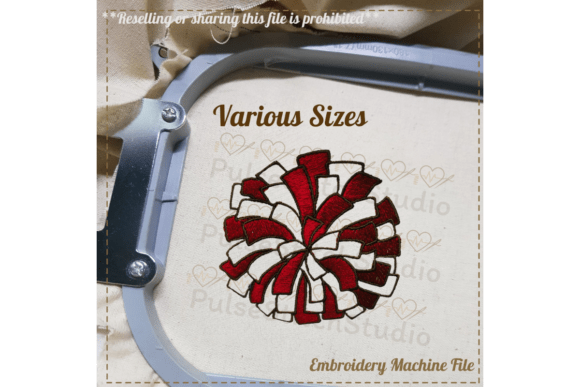
Pom Pom Embroidery Design Review
As an experienced embroidery designer preparing for a weekend craft fair, I’ve had the chance to review the Pom Pom Embroidery Design and assess its potential as a craft fair product. This machine embroidery design has a unique charm that can elevate handmade products, making it a strong contender for small shop products and Etsy listings. Let’s dive into how this design performs on various items and what makes it stand out in a competitive market.
First Impressions of Pom Pom Embroidery Design
The moment I saw the Pom Pom Embroidery Design, I was struck by its playful yet elegant appeal. The design feels soft and decorative, with a touch of whimsy that works well across multiple product types. It doesn’t lean too heavily into any one style—whether it's cute, rustic, or modern—it adapts well, which is a huge plus for a versatile design.
This design has a subtle energy that makes it perfect for handmade products like tote bags, aprons, and tea towels. It adds visual interest without overwhelming the fabric, which is essential when designing for a wide range of craft fair products.
Performance on Various Products
When evaluating the Pom Pom Embroidery Design, I tested it on several common craft fair products to see how it translates in person. Here’s how it performed:
- Tote Bags: The design looks fantastic on tote bags, especially when using light-colored thread on dark fabric. It becomes a focal point without being too busy.
- Apron Embroidery: On aprons, the pom pom elements add texture and charm. It pairs well with farmhouse or rustic-themed designs.
- Tea Towel Embroidery: The design works beautifully on kitchen towels, adding a decorative element that customers find appealing.
- Embroidered Patches: As an embroidered patch, it maintains clarity even at smaller sizes, making it great for caps and small pouches.
- Pillow Covers: The softness of the design complements pillow covers nicely, especially when paired with neutral or pastel colors.
- Market Bags: The Pom Pom Embroidery Design stands out on market bags, giving them a unique edge over generic products.
- Handmade Gifts: When applied to gift items like fabric pouches or framed artwork, it adds a personal, artisanal feel.
Selling and Production Considerations
One of the key selling points of the Pom Pom Embroidery Design is its ease of understanding at a glance. It’s not overly complex, which means it can be used as both a small accent or a large focal design depending on the product. For example, on a tote bag, it can be the main feature, while on a cap, it can serve as a subtle embellishment.
Photographing this design for online listings is also straightforward. The contrast between the pom pom elements and the background fabric creates a clean, eye-catching image. This makes it ideal for Etsy sellers and digital embroidery file creators who rely on high-quality visuals for their listings.
However, there are some practical considerations when producing this design in bulk. Stitch density and thread colors need careful attention, especially when working with thick fabric or textured towels. Using the right stabilizer is crucial to prevent puckering and ensure the design lays flat.
Careful-Use Notes
While the Pom Pom Embroidery Design is versatile, there are certain situations where extra care is needed:
- Dense Stitch Areas: If the design includes intricate details, avoid using fabrics that are too thick or textured, as this can cause distortion.
- Small Lettering: If the design includes text, make sure the font size is appropriate for the intended product and fabric type.
- Dark Fabric: Ensure thread colors provide enough contrast to maintain visibility.
- Curved Surfaces: On curved surfaces like caps, test the design on scrap fabric first to confirm it will lay flat and look good.
- Smaller Sizes: Check if the design loses clarity when scaled down for patches or small pouches.
Visual Appeal and Customer Engagement
The Pom Pom Embroidery Design significantly enhances the visual appeal of any product it’s applied to. Its soft, decorative nature draws customer attention, especially in a booth display where handmade quality and brand consistency are key. Whether it’s a tote bag or a framed artwork, this design elevates the finished product and makes it more desirable.
For craft fair sellers and boutique makers, this design helps create a cohesive brand identity. It can be used consistently across different items, reinforcing brand recognition and increasing buyer engagement.
Practical Embroidery Designer Notes
Before using the Pom Pom Embroidery Design in production, I recommend the following steps:
- Test on Scrap Fabric: Always test the design on scrap fabric before committing to a full batch. This helps identify any issues with stitch density or fabric compatibility.
- Check Thread Contrast: Make sure the thread colors work well with the fabric color to ensure visibility and visual impact.
- Review Spacing: Confirm that the spacing between elements is appropriate for the intended fabric and product size.
- Confirm Hoop Size: Ensure the hoop size matches the design dimensions to avoid unnecessary adjustments during production.
- Inspect Stitch Density: Check for areas with high stitch density that might require additional stabilizer or adjustments.
- Use the Right Stabilizer: Choosing the correct stabilizer is essential for maintaining the integrity of the design on different fabric types.
- Create a Real Mockup: Create at least one real mockup to see how the design looks in person and how it photographs for online listings.
- Compare Fabric Colors: Test the design on different fabric colors to see how it translates visually.
- Confirm Commercial Licensing: Ensure you have the proper commercial licensing before selling finished products using this design.
In conclusion, the Pom Pom Embroidery Design is a versatile and appealing option for a wide range of craft fair products. From tote bags to embroidered patches, it offers a unique visual appeal that can enhance your handmade offerings and attract customer attention. Just remember to follow best practices for production and testing to ensure the best results for your small shop product or commercial embroidery needs.