Otomi Machine Embroidery Design Review
As an embroidery designer with years of experience working on custom apparel, handmade gifts, and commercial embroidery products, I always look for designs that can elevate the visual appeal of a finished product. Recently, I had the chance to work with Otomi Machine Embroidery Design from Creative Fabrica, and it's worth sharing my insights based on real-world application.
First Impressions: A Touch of Mexican Charm
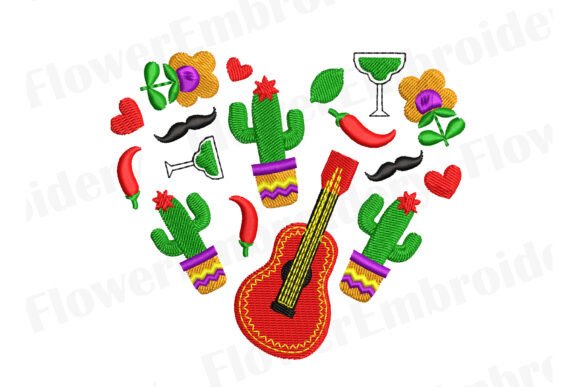
The moment I opened the embroidery file, I was drawn to the vibrant colors and intricate patterns that seem to capture the essence of traditional Mexican art. This design feels like a celebration of culture, with motifs that are both decorative and meaningful. It has a handcrafted charm that makes it perfect for projects that need a personal or cultural touch.
The level of detail in Otomi Machine Embroidery Design is impressive. The use of satin stitch and fill stitch creates depth and dimension, while the running stitches add a softness that complements the overall look. It’s not just a pattern—it’s a story told through thread.
Real-World Application: What Projects Work Best?
Otomi Machine Embroidery Design is incredibly versatile. It can be used for a wide range of handmade products, including tote bags, sweatshirts, aprons, baby blankets, kitchen towels, pillow covers, and even embroidered patches. For example, when I tested it on a baby blanket, the design added a whimsical and charming element that felt right at home in a nursery setting.
It also works well on custom apparel and commercial embroidery projects. If you're selling on Etsy or at craft fairs, this design can help your items stand out. Its appeal is broad enough that it could fit into a variety of product lines, from seasonal handmade gifts to boutique merchandise.
For printable mockups, the design looks great on both light and dark fabric backgrounds, which is a big plus if you're planning to create digital previews for your customers.
Practical Use: What You Need to Know
Before using Otomi Machine Embroidery Design on a customer order, it’s important to test it on scrap fabric. This helps identify any potential issues with stitch density, especially in areas where the design is more detailed. If you’re working with small hoop sizes or tiny lettering, make sure the design scales well without losing clarity.
When working with stretchy fabrics like t-shirts or caps, using the right stabilizer is essential to prevent distortion. I found that this design performs best on medium-weight cotton and linen, but it may require adjustments on textured fabric or dark fabric.
Also, pay close attention to thread colors. While the design comes with suggested colorways, experimenting with different shades can give your finished product a unique look. Just ensure that the colors you choose have good contrast against the fabric background.
If you're planning to use this design on curved cap surfaces or layered details, be prepared to adjust the placement and possibly split the design into smaller sections for better coverage.
Impact on Product Value and Presentation
Adding Otomi Machine Embroidery Design to a handmade product can significantly increase its perceived value. Customers often associate intricate, well-executed embroidery with quality and care, which builds buyer trust and enhances handmade presentation.
This design also improves visual appeal and brand consistency, especially if you're creating a line of products that feature similar motifs. When used on personalized gifts or custom apparel, it adds a special touch that can make your items more desirable.
From a marketing standpoint, this design is great for product photography and customer engagement. The rich colors and cultural inspiration make it easy to create eye-catching visuals for your online listings or social media posts.
Embroidery Notes for Success
Here are a few practical tips to keep in mind when using Otomi Machine Embroidery Design:
- Test on scrap fabric: Always do a trial run before committing to a final product.
- Check thread color contrast: Ensure your chosen colors stand out on the fabric.
- Review stitch density: Adjust as needed to avoid puckering or overloading the fabric.
- Confirm hoop size: Make sure your hoop can accommodate the entire design.
- Compare light and dark fabric mockups: See how the design looks on different backgrounds.
- Use proper stabilizer: Especially important on stretchy or textured fabrics.
- Inspect small details after stitching: Zoom in to check for any missed stitches or imperfections.
- Confirm file details and licensing: Always review the Creative Fabrica product page before selling finished items.
Otomi Machine Embroidery Design is a valuable addition to any embroidery designer’s toolkit. Whether you're creating personalized gifts, custom apparel, or commercial embroidery products, this design brings a unique flair that can set your work apart. With thoughtful preparation and attention to detail, it can become a go-to asset for your creative projects.